Planning · 3 min read
How to meal plan for the week: a simple 20-minute method

Simon Coker, founder of Foray
Updated
Quick answer
Pick one planning moment a week, choose four or five dinners you will actually cook, check what you already have, then turn the recipes into one shopping list sorted by aisle. Plan fewer nights than you have, and keep one easy backup meal in for the evenings the plan falls apart.

Why meal planning helps
Meal planning moves the hardest part of dinner, deciding what to make, to a calm moment once a week instead of 6pm every evening. It also means one proper shop instead of three top-up trips, and buying food for specific meals rather than buying things that might come in handy.
That last part matters more than most people expect. WRAP, the UK's waste charity, found that UK households threw away 6.4 million tonnes of food and drink in 2021, of which 4.7 million tonnes could have been eaten. That is about £1,000 a year for a household of four (WRAP).
The 20-minute weekly method
- 1Pick a planning moment. Same time every week, such as Sunday morning or the evening before you shop. Routine beats willpower.
- 2Look at the week ahead. Note late finishes, nights out and who is eating at home each night.
- 3Choose four or five dinners, not seven. Leftovers, a night out and a freezer meal cover the gaps, and an unplanned night is never a failure.
- 4Mix familiar with new. One new recipe a week keeps things interesting without risking the whole week on dishes you have never made.
- 5Shop your kitchen first. Check the fridge, freezer and cupboards, and plan meals that use up what is already there early in the week.
- 6Make one list. Combine the ingredients from every recipe, merge duplicates and sort it by aisle.
- 7Put the plan where you will see it. On the fridge, in your phone, anywhere you look at 5pm.
Make the plan fit your week
A plan only works if it matches the energy you actually have. Put the quickest meals on your busiest nights and save anything that needs time for a calmer evening or the weekend.
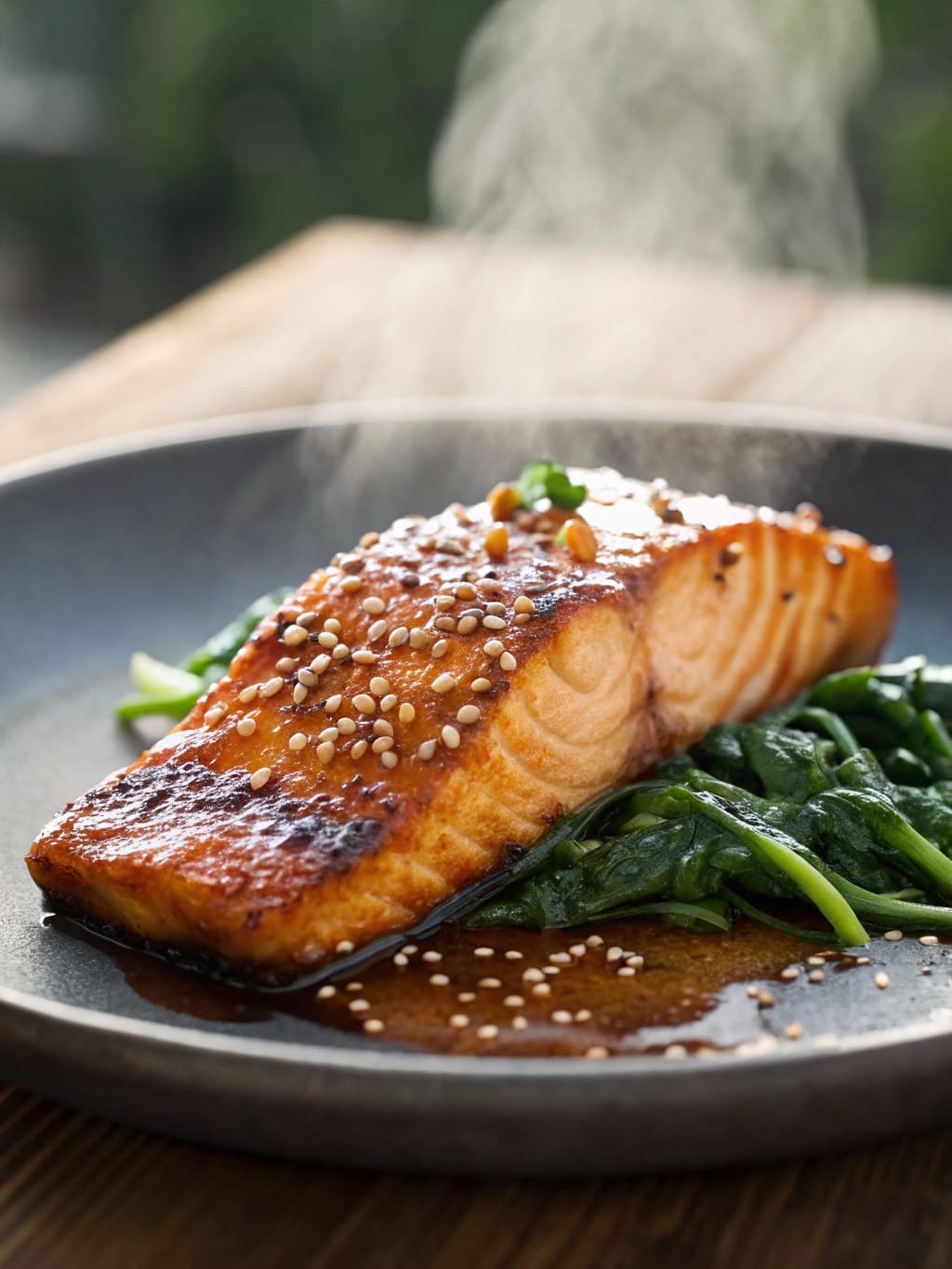
- Busy nights: 15 to 25 minute meals such as cacio e pepe, black bean tacos or miso-glazed salmon.
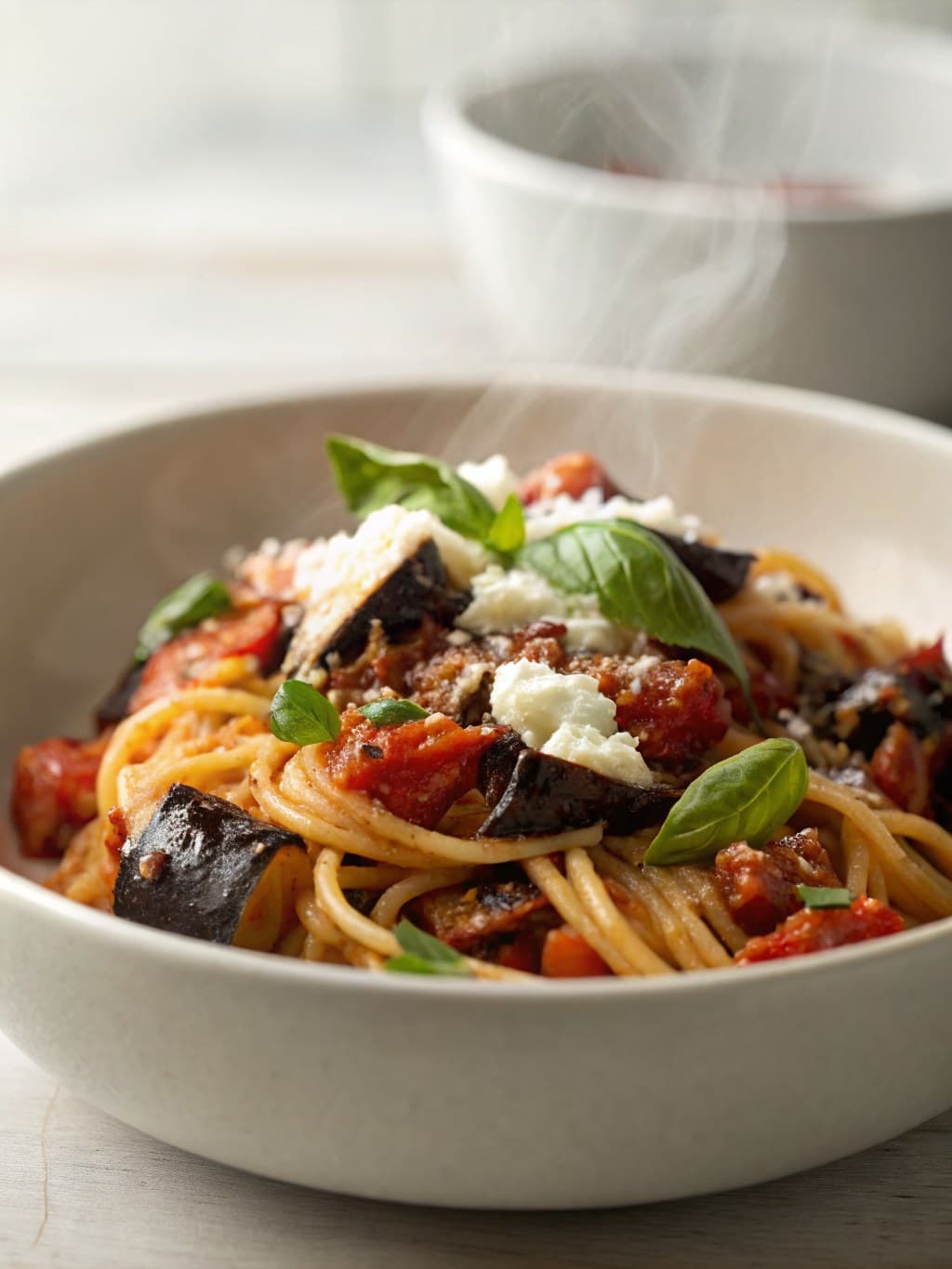
- Calmer nights: dishes that make extra, like pasta alla norma or jollof rice, so tomorrow's lunch is sorted.
- Fresh first: cook fish, salad leaves and soft herbs early in the week. Save hardier vegetables, tins and freezer meals for later.
Turn your recipes into one shopping list
Most people plan the meals and then write a messy list in recipe order, which means walking the shop twice and buying three onions when you needed four. A good list does three things:
- Merges duplicates. Two onions for one recipe and one for another becomes a single line of three onions.
- Thinks in packs. If you need half a bunch of coriander, plan a second meal that uses the other half.
- Follows the shop. Sorting by aisle (fruit and veg, meat and fish, dairy, cupboard, frozen) means one lap and fewer impulse buys.
When the plan falls apart
It will, and that is fine. Swap two nights around, cook the backup meal, or move an uncooked recipe to next week so its ingredients still get used. The point of a plan is fewer decisions, not a perfect score.
Example: a five-dinner week for two
| Night | Dinner | Why it is there |
|---|---|---|
| Monday | Miso-glazed salmon | Fresh fish early in the week, 25 minutes |
| Tuesday | Black bean tacos | Store-cupboard beans, uses the rest of the spring onions and lime |
| Wednesday | Pasta alla norma | Cook the full four portions |
| Thursday | Leftover pasta alla norma | No cooking on a busy night |
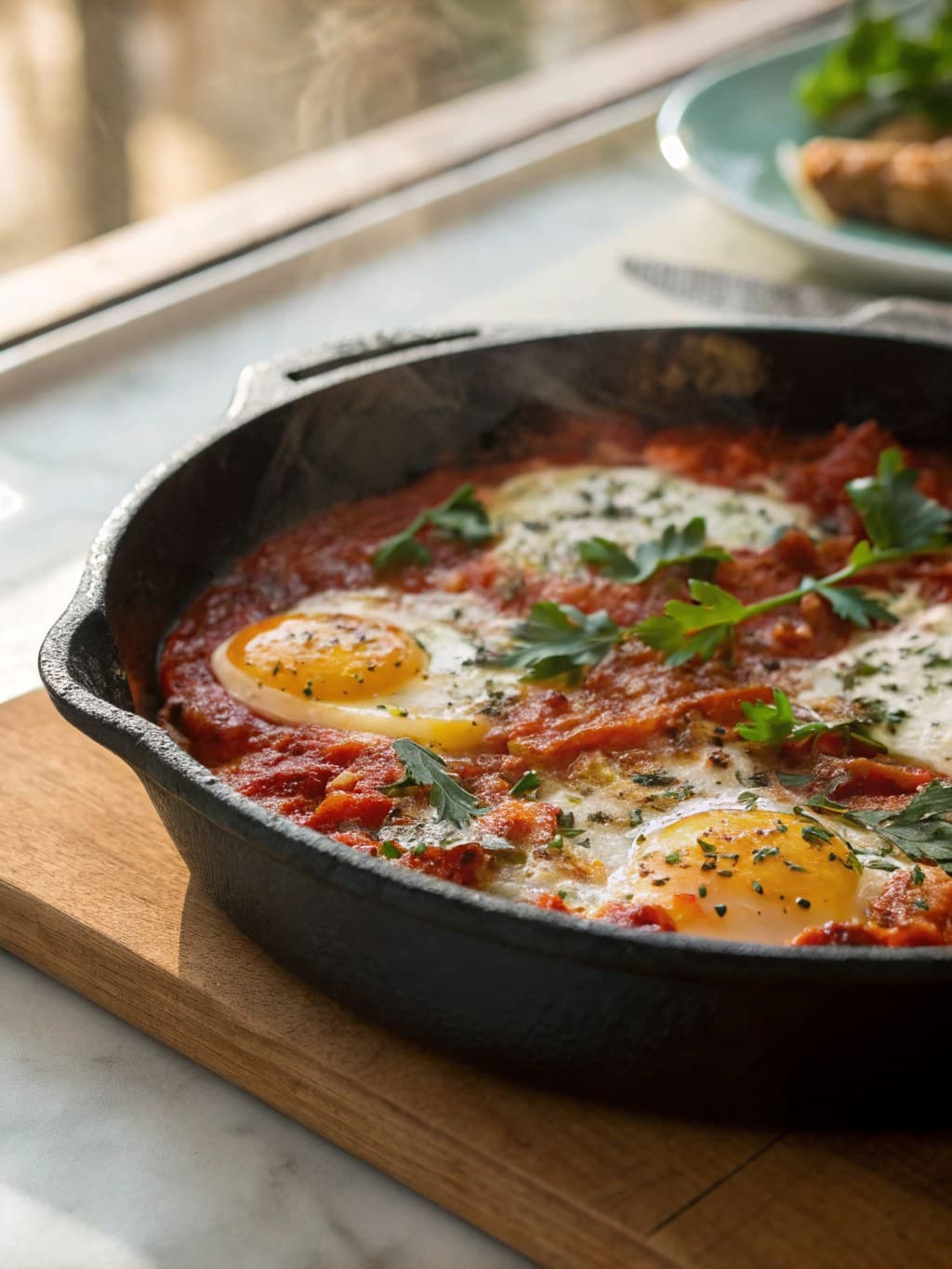
| Friday | Shakshuka | Eggs and tins, uses up the last of the herbs |
| Weekend | Unplanned | Eat out, or cook something new |
Frequently asked questions
How many meals should I plan for a week?
Four or five dinners is a good starting point. Leftovers, a meal out and something from the freezer usually cover the other nights, and planning fewer meals means less food wasted when plans change.
How long does meal planning take?
Around 15 to 20 minutes a week once you have a routine. The first few weeks take longer while you build a list of meals your household likes, and reusing a past week's plan makes it quicker still.
What is the easiest way to start meal planning?
Write down ten dinners you already cook and like. Pick four of them for next week, add one new recipe, and make a single shopping list from those five. Repeat, swapping in new meals as you go.
Sources
Plan your week with Foray
Choose meals, get one aisle-sorted list priced at real supermarkets, and cook step by step. Free to start on iPhone.
Download app